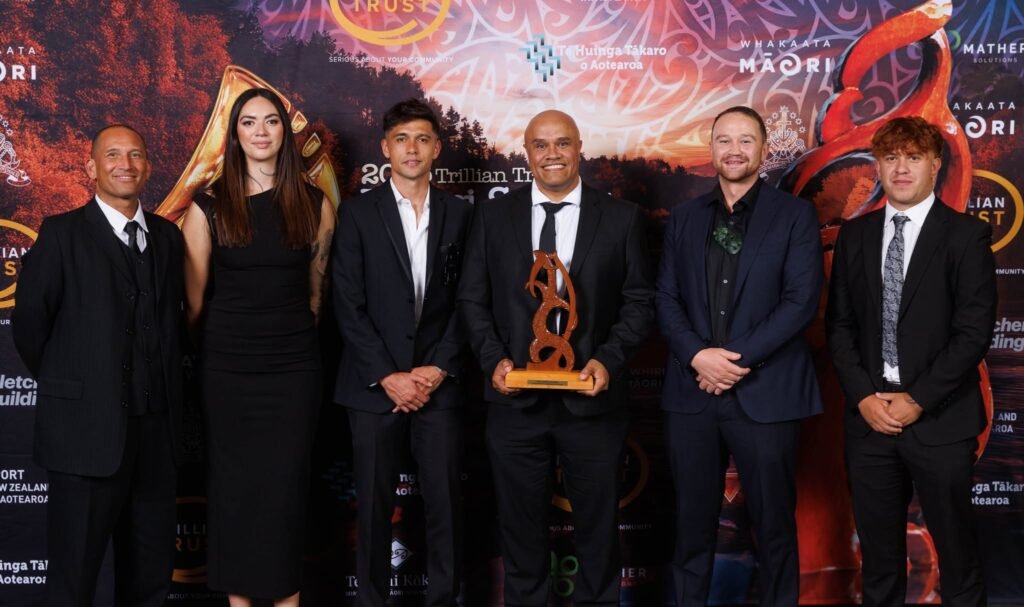
When Ariana Gray attended her first Māori Football event as a teenager, she didn’t have older sisters in football to look up to.
There were no Māori women ahead of her in the pathway who could show what was possible or how to carry whakapapa into the sport authentically.
Years later, Ariana has become that person for others.
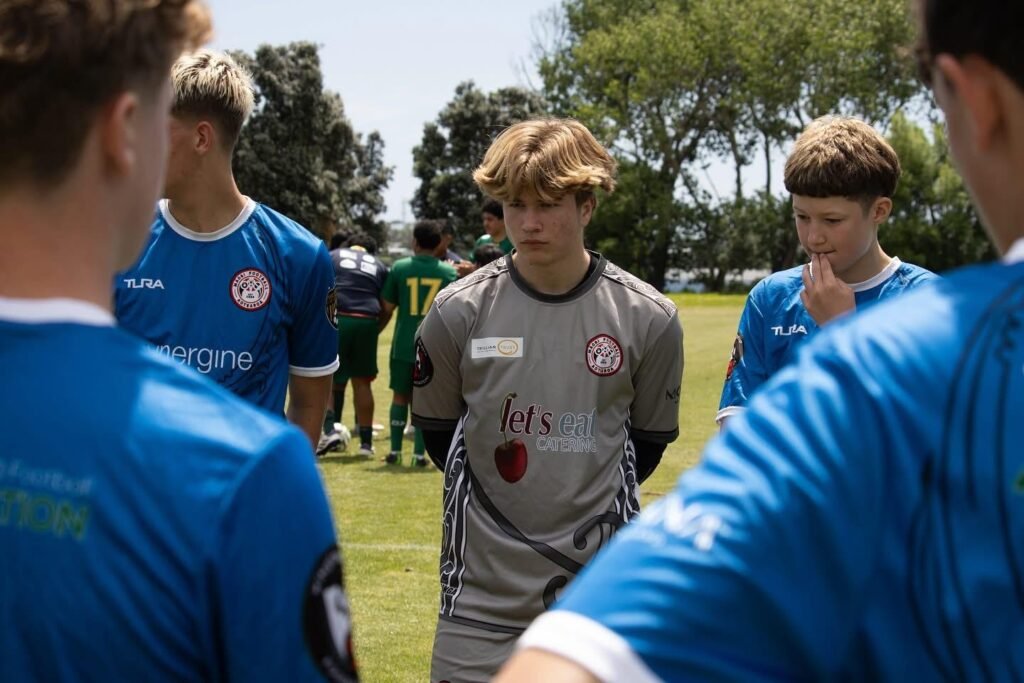
A police officer by profession, Ariana spent much of this year on extended sick leave. The six-month period away from work could easily have pushed football and kaupapa to the margins. Instead, she chose to return to Māori Football Aotearoa’s North v South Series last December, not as a player, but as a coach and leader for the next generation.
Returning made sense. “It’s a really cool environment to be involved in,” she says. “I was in North v South a couple of years ago, so it’s special to come back in a coaching role and teach the new girls.”
For Ariana, mentoring young Māori women isn’t just about football performance; it’s about presence, belonging and emotional safety in environments that can be unfamiliar and overwhelming. She understands this because she lived it.
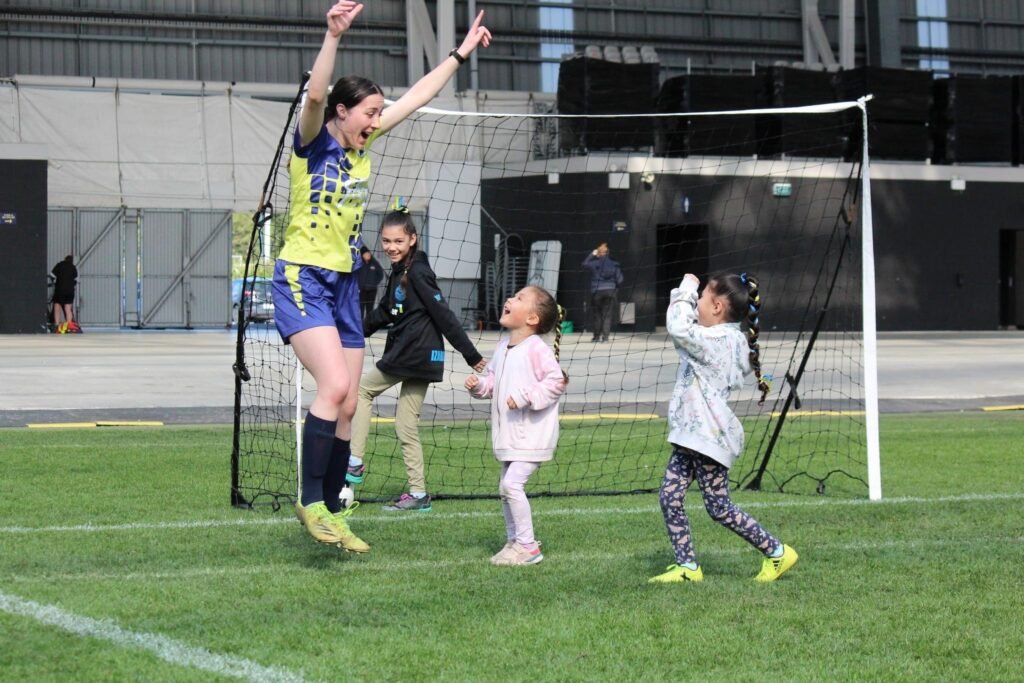
“When I grew up, I didn’t have older sisters or role models in the football world. I’d like to think that coming back to under 16s and under 18s, I can be that person for some of the girls,” she says. “Someone they can come to about anything, no matter where we are in the world.”
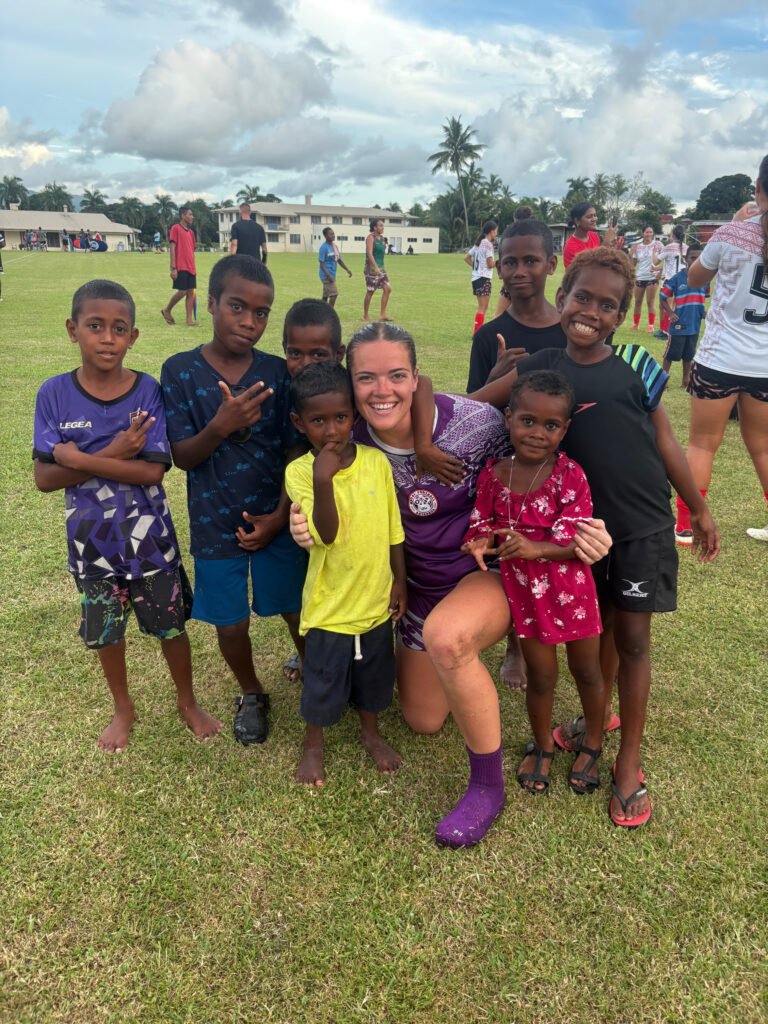
Last year in Hawai‘i, this role became real. Homesickness, parental pressure and cultural distance surfaced for several young players. Ariana stepped into a big-sister role — tautoko, pastoral care, and listening without judgement.
It is this mixture of leadership and aroha that Māori Football Aotearoa continues to cultivate. The kaupapa is not only about football outcomes, but about shaping Māori athletes who feel seen, supported and confident in their identity.
“I can be that person for them,” Ariana says, simply. And she is.
In doing so, she embodies a critical part of the Māori coaching model: the coach who nurtures as well as teaches, the coach who protects as well as prepares.
Not all leadership is positional. Some of it is relational. Some of it is whakapapa. And some of it is the willingness to come back not for the spotlight, but for the ones coming up behind you.
Ends