NADI, Fiji – A Māori Football Aotearoa shirt has been presented to respected Solomon Islands coach Jacob Moli on the eve of the OFC Men’s Champions League final in Fiji, carrying a message of manaakitanga, whanaungatanga and sporting respect across Te Moana-nui-a-Kiwa.
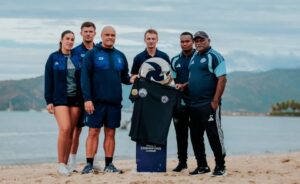
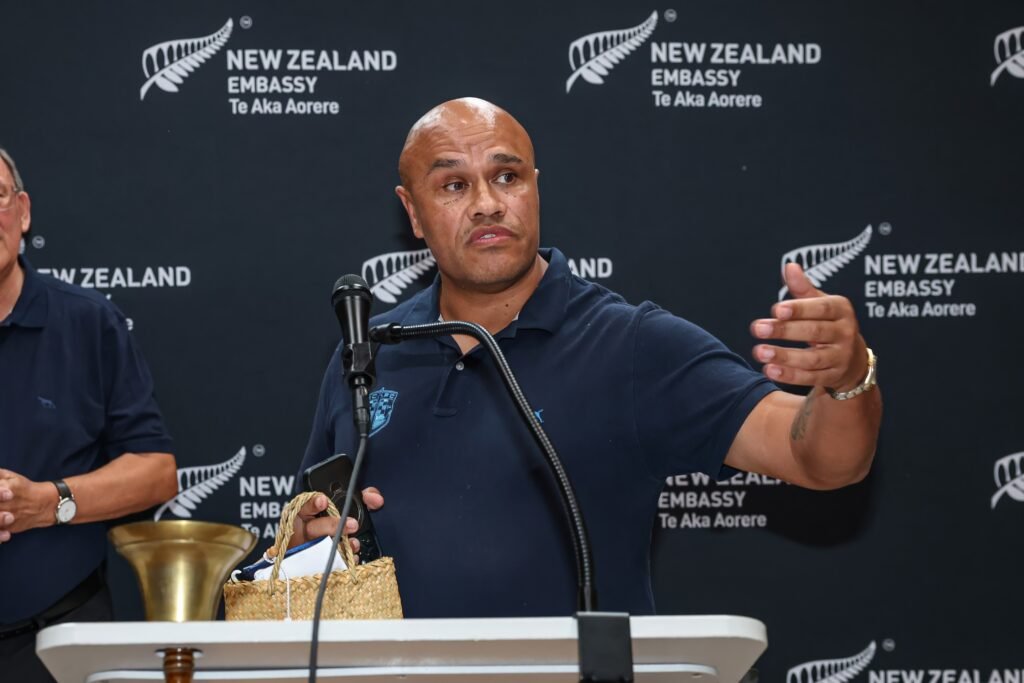
Moli received the shirt from Auckland City FC General Manager Gordon Watson at the official final press conference ahead of Saturday’s continental decider between Auckland City and Moli’s Central Coast FC.
Also present at a very multicultural get together were Auckland City FC head coach Rudy Mozr (Czechia), skipper Mario Ilich, Bianca Tarawa, Central Coast’s Moli and their skipper Javin Wae.
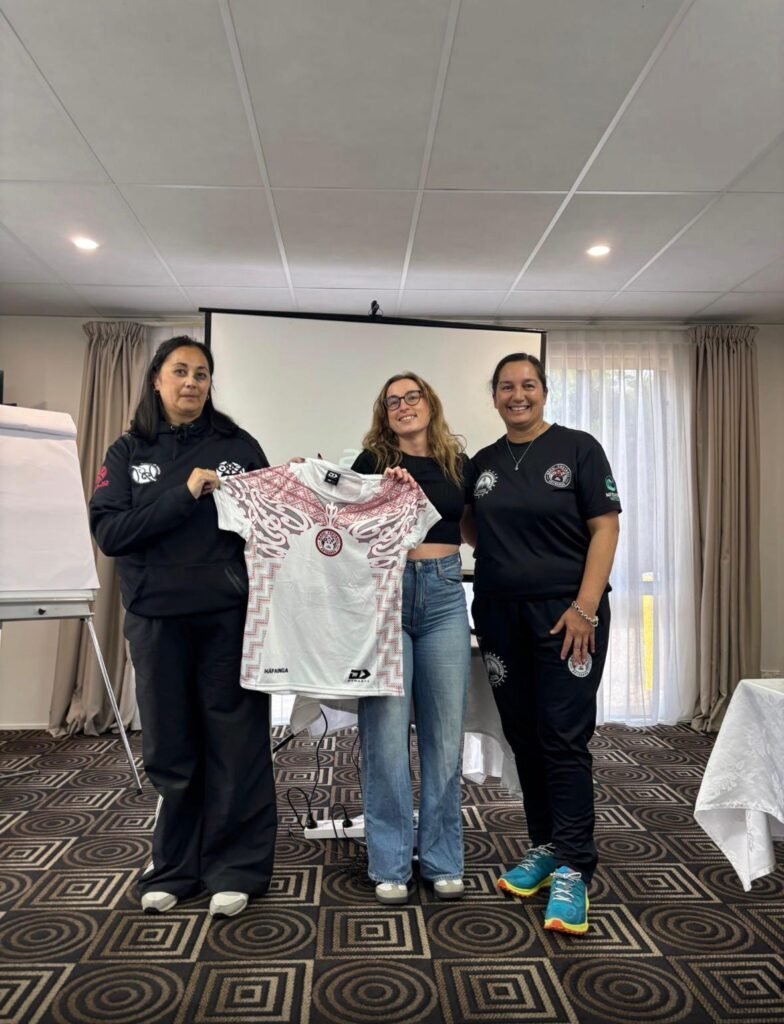
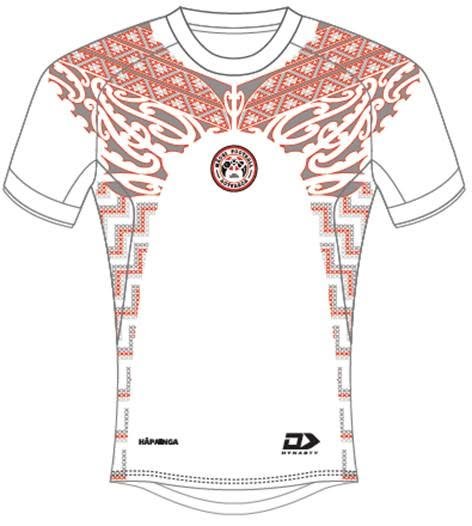
For Māori Football Aotearoa, the shirt carries significance beyond the football field.
Those entrusted with wearing or receiving it become part of a kaupapa in which the shirt is regarded as a taonga — something carried with honor on behalf of the people, whakapapa and communities it represents.
The presentation therefore recognized not only Moli the opposing coach, but Moli the servant of Solomon Islands and Oceania football.
The former Solomon Islands international has been a significant figure in the region’s game for more than two decades.
In 2008 he coached KOSSA to the OFC O-League final against Waitakere United, leading the Honiara club to a famous 3-1 first-leg victory in front of a huge Lawson Tama Stadium crowd.
Moli subsequently coached the Solomon Islands national team, including taking the Bonitos to a Pacific Games silver medal in 2011, and has continued to play an influential role in the development of the game in his homeland.
Since the formation of Central Coast FC in 2020, he has guided the club to three Solomon Islands S-League championships and now, 18 years after his first appearance as a coach in an Oceania club final, has returned to the continental showpiece.
For Watson, the opportunity to acknowledge that contribution carried particular personal significance.
Watson is a former Board member of both Māori Football Aotearoa and Te Huinga Tākaro o Aotearoa and was named Māori Sports Administrator of the Year in both 2024 and 2025.
While in Fiji in his professional capacity as General Manager of Auckland City FC, he saw the meeting with Moli as an opportunity to carry some of the kaupapa of Māori Football Aotearoa into the wider Pacific football whānau.
“Jacob is somebody I have known and respected for a very long time,” Watson said.
“When you look back and realise he took KOSSA to the final of this competition in 2008 and here we are in 2026 preparing to face another Jacob Moli team in the final, you begin to appreciate the depth of his contribution.
“There are trophies and results in football, but there is also service. There are people who spend decades creating opportunities for players, carrying clubs and helping the game grow in their communities. Jacob is one of those people.”
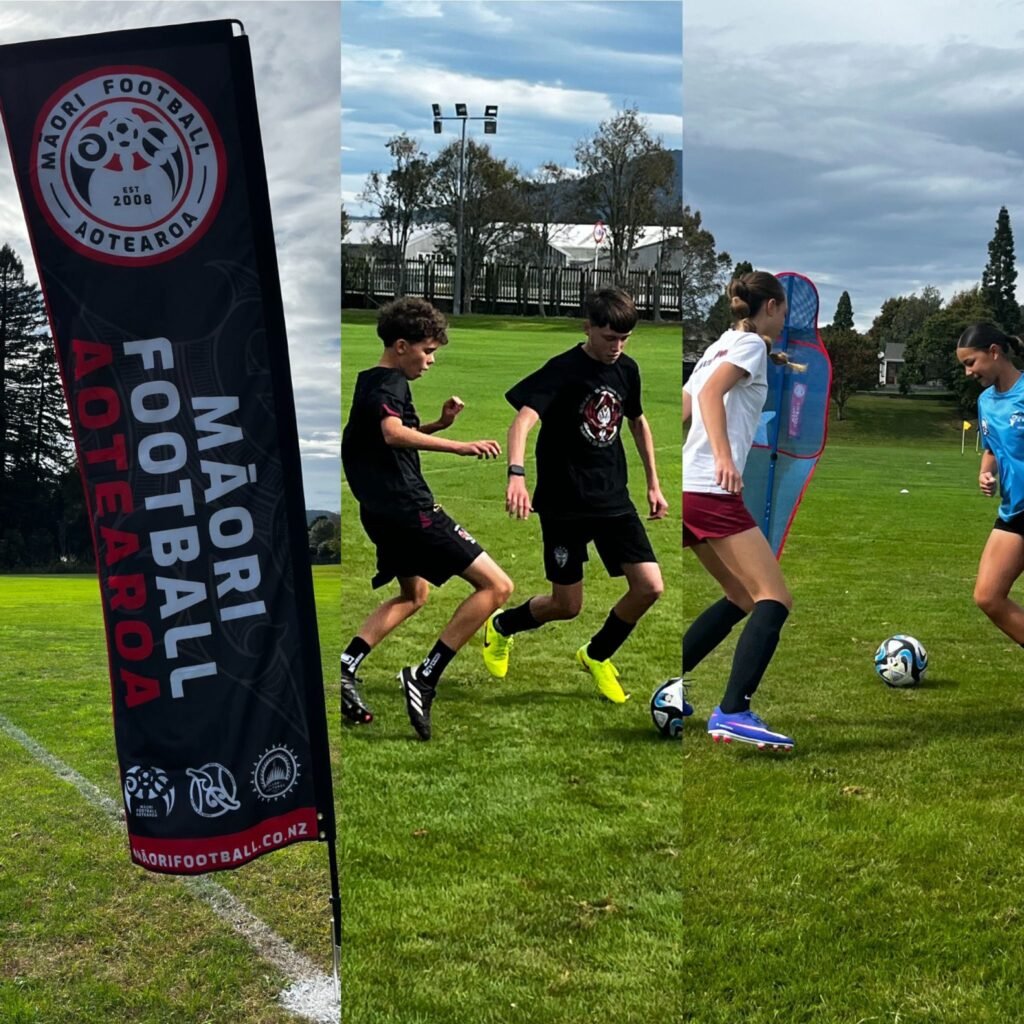
Māori Football Aotearoa was established to increase Māori participation, leadership and connection through football and places tikanga Māori at the heart of its work.
Its values include whakapapa, manaakitanga, whakawhanaungatanga and kaitiakitanga, recognising football not simply as competition but as a vehicle through which identity, relationships and communities can be strengthened.
MFA is also an inaugural member of Te Huinga Tākaro o Aotearoa, the Māori National Sports Authority, connecting football with the wider kaupapa of Māori sport.
Those principles have a natural resonance within Oceania.
Māori are tangata whenua of Aotearoa with a distinct identity and tikanga, while Solomon Islanders and the many peoples of Melanesia, Polynesia and Micronesia have their own cultures and traditions.
Yet across Te Moana-nui-a-Kiwa there is also an understanding of community, ancestry, hospitality, respect and collective responsibility that can make sporting relationships particularly meaningful.
“Part of the beauty of football in Oceania is that we arrive with different languages, cultures and histories but the game gives us somewhere to meet,” Watson said.
“Māori Football Aotearoa has always understood football in terms wider than winning and losing. It is about identity, whakapapa and connection.
“Giving Jacob the shirt was an expression of manaakitanga and respect. We are not saying our cultures are the same. We are acknowledging one another across the Pacific and recognising someone who has given an enormous amount to the game.”
The symbolism is particularly appropriate given Māori Football Aotearoa’s philosophy surrounding its playing shirt.
MFA describes those entrusted with the shirt as kaitiaki rather than owners — guardians who carry it for a time before eventually passing it to another.
Watson said that concept made Moli an appropriate recipient.
“You don’t give something like that simply because somebody happens to be standing beside you at a press conference,” he said.
“The important thing is what the person represents.
“Jacob represents longevity, service, resilience and football in the Solomon Islands. He has helped generations of players, and he is still here, still coaching, still competing and now preparing for another Oceania final.
On Saturday the sentiment will temporarily give way to competition as Auckland City FC and Central Coast contest one of the biggest matches in their respective seasons.
But whatever the outcome in Ba, the Māori Football Aotearoa shirt presented to Moli carries a message intended to last much longer.
He taonga te whanaungatanga.
The relationship itself is something of great value.
End Story.